Cast stone is manufactured by casting a tuned mix of cement, graded aggregates, and mineral pigments into custom molds, then curing each piece under controlled conditions to produce a dense, limestone-like finish. Understanding the process helps explain why quality cast stone performs so well and why working with an experienced cast stone manufacturer matters.
Step 1: Drawings and molds
Every project starts with shop drawings developed from your architectural drawings, field dimensions, or a physical sample of an original element. From these, custom molds are built. The mold is a one-time setup, which is why producing many identical pieces (for example, a long run of coping) is so economical.
Step 2: The mix
The mix combines white or grey cement, carefully graded natural aggregates, and mineral oxide pigments for color. The exact blend is tuned to match the target stone — limestone, brownstone, or sandstone — in both color and texture.
Step 3: Casting
There are two main casting methods:
- Dry-tamp (vibrant-tamped): a near-dry, zero-slump mix is compacted into the mold, producing the fine-grained texture that most closely resembles natural cut limestone.
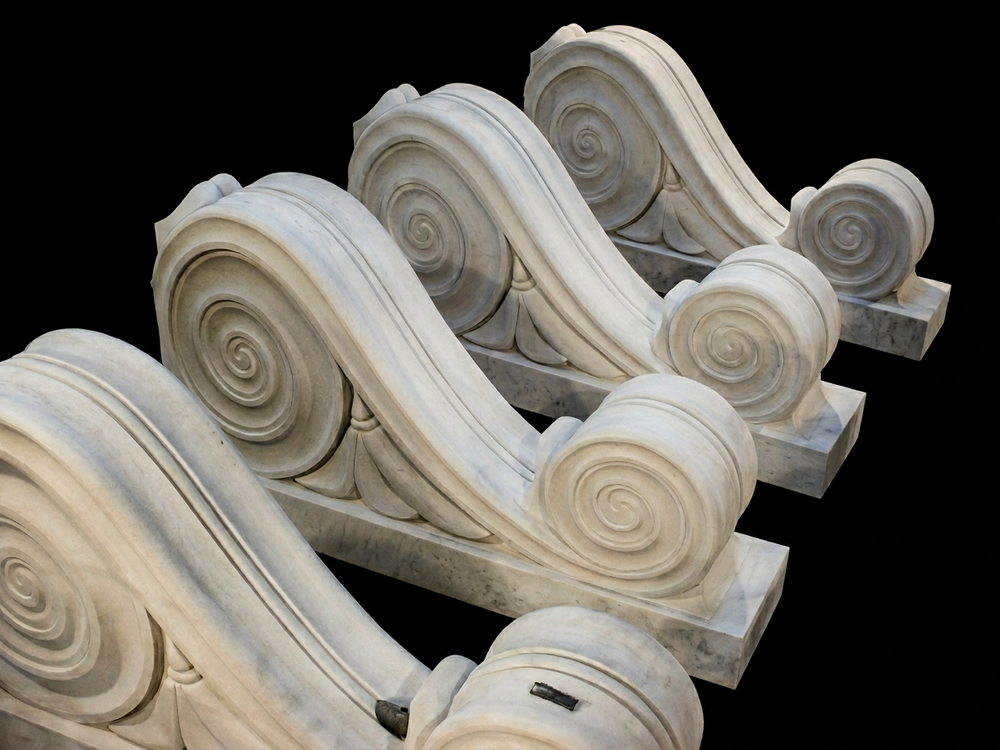
- Wet-cast: a more fluid mix is poured into the mold, which suits intricate shapes and pieces that need steel reinforcement.
Step 4: Curing and finishing
Pieces are cured under controlled temperature and humidity to develop strength and durability. After curing, each unit is finished and inspected for dimensional accuracy, color, and surface quality before it leaves the facility.
Step 5: Delivery and installation
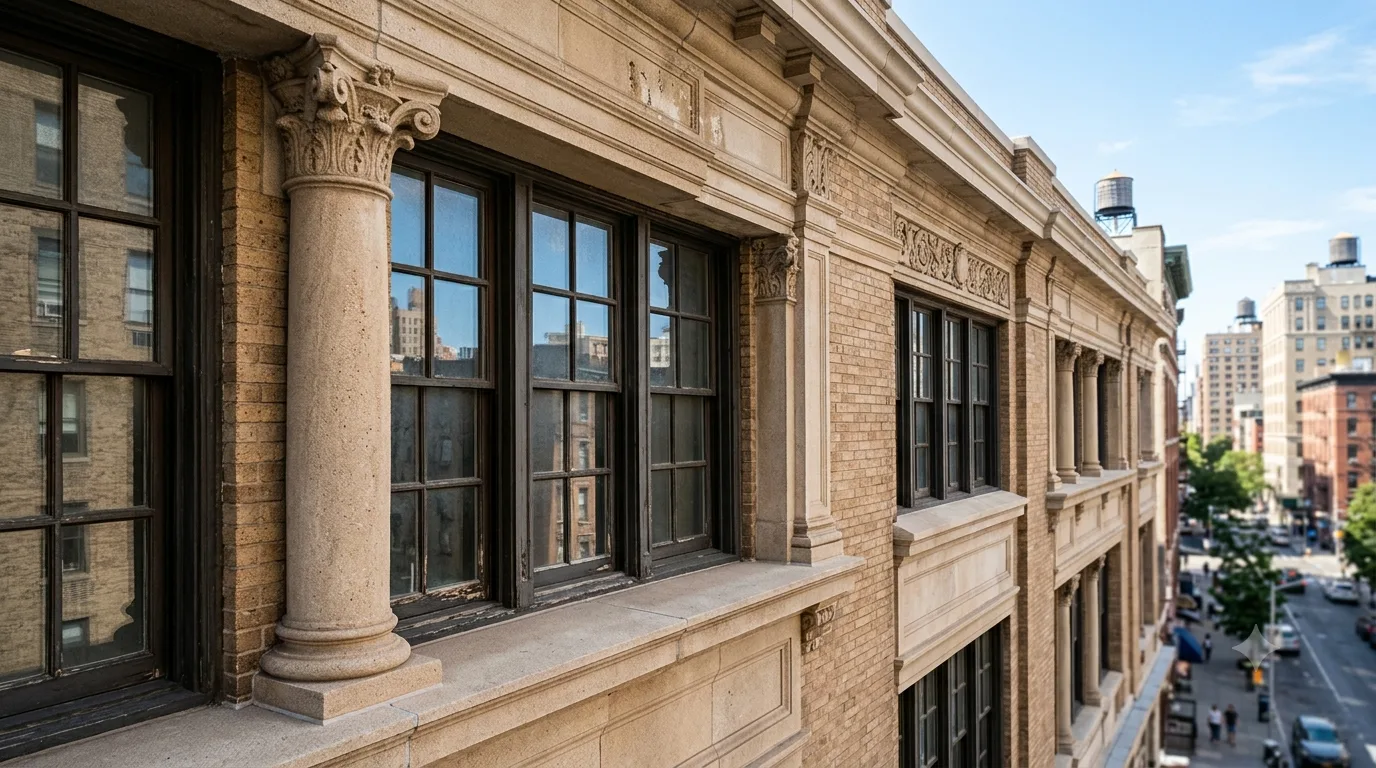
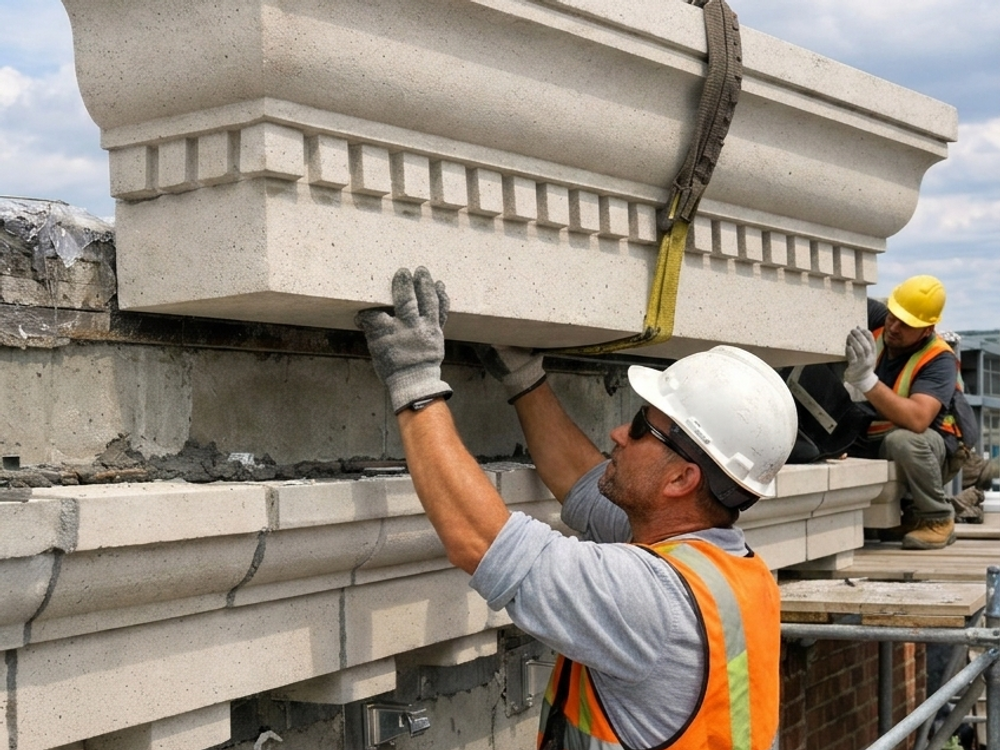
Finished pieces are delivered ready for your masons to set, anchor, and point. For restoration and Local Law 11 facade repairs, the goal is a seamless match with the surrounding masonry.
Why the process matters
Dense, well-cured cast stone resists water and freeze-thaw damage; poorly made cast stone does not. Mohan's Precast manufactures in Jamaica, Queens with rigorous quality control. Request a quote for your project.