Few architectural elements signal craftsmanship like a well-proportioned balustrade. Whether crowning a rooftop, lining a terrace, or framing a grand stoop, precast and cast stone balustrades bring classical elegance with modern durability. This guide covers the styles, profiles, and best uses so you can specify the right one.
The parts of a balustrade
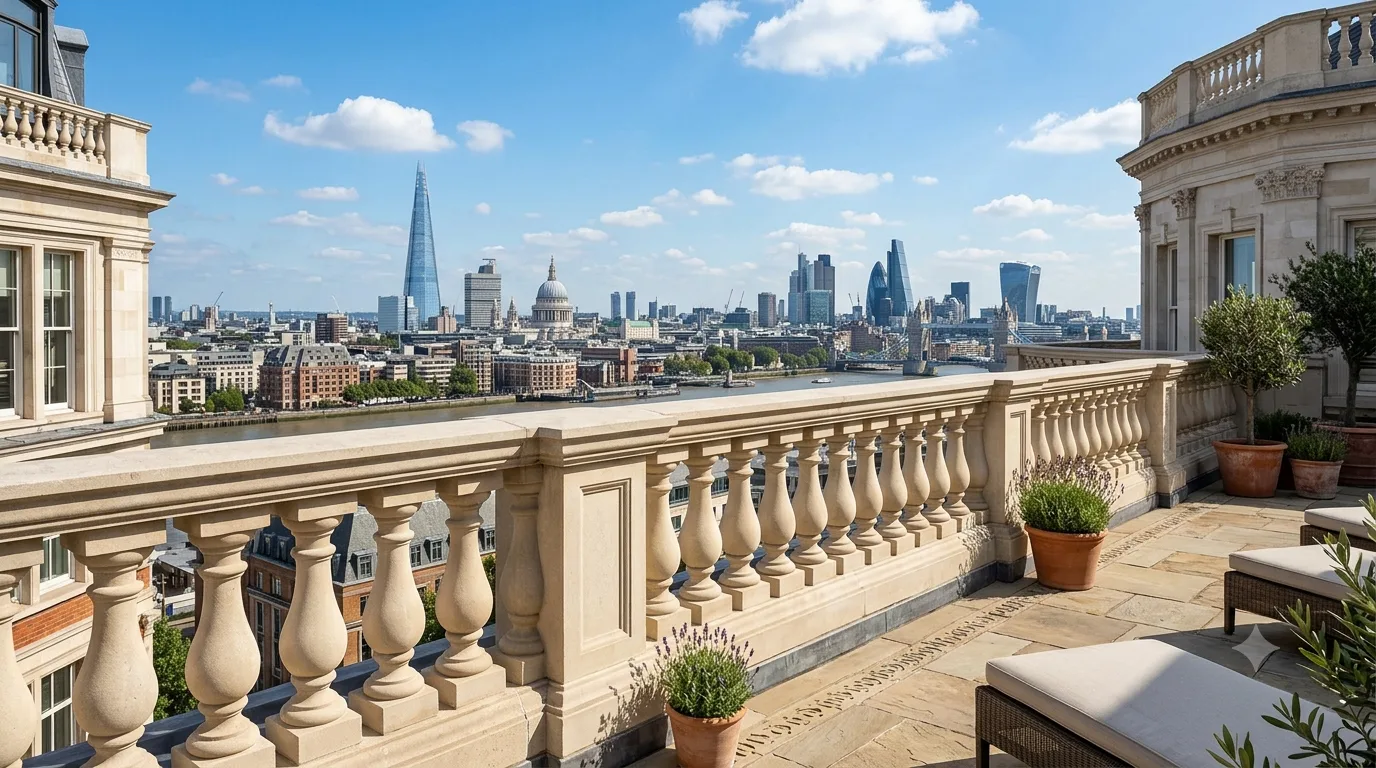
A balustrade system has three main components: the balusters (the vertical posts), the rail on top, and the base rail or plinth they sit on, often punctuated by larger newel posts or piers at corners and ends. Getting the proportions and spacing right is what separates an elegant balustrade from an awkward one.
Common baluster styles
- Single bell — a classic vase profile, the most traditional and widely used.
- Double bell — a symmetrical hourglass shape for a more formal, ornate look.
- Spiral bell — a twisted profile that adds movement and detail.
- Square / simple — clean-lined balusters for contemporary designs.
Railing profiles
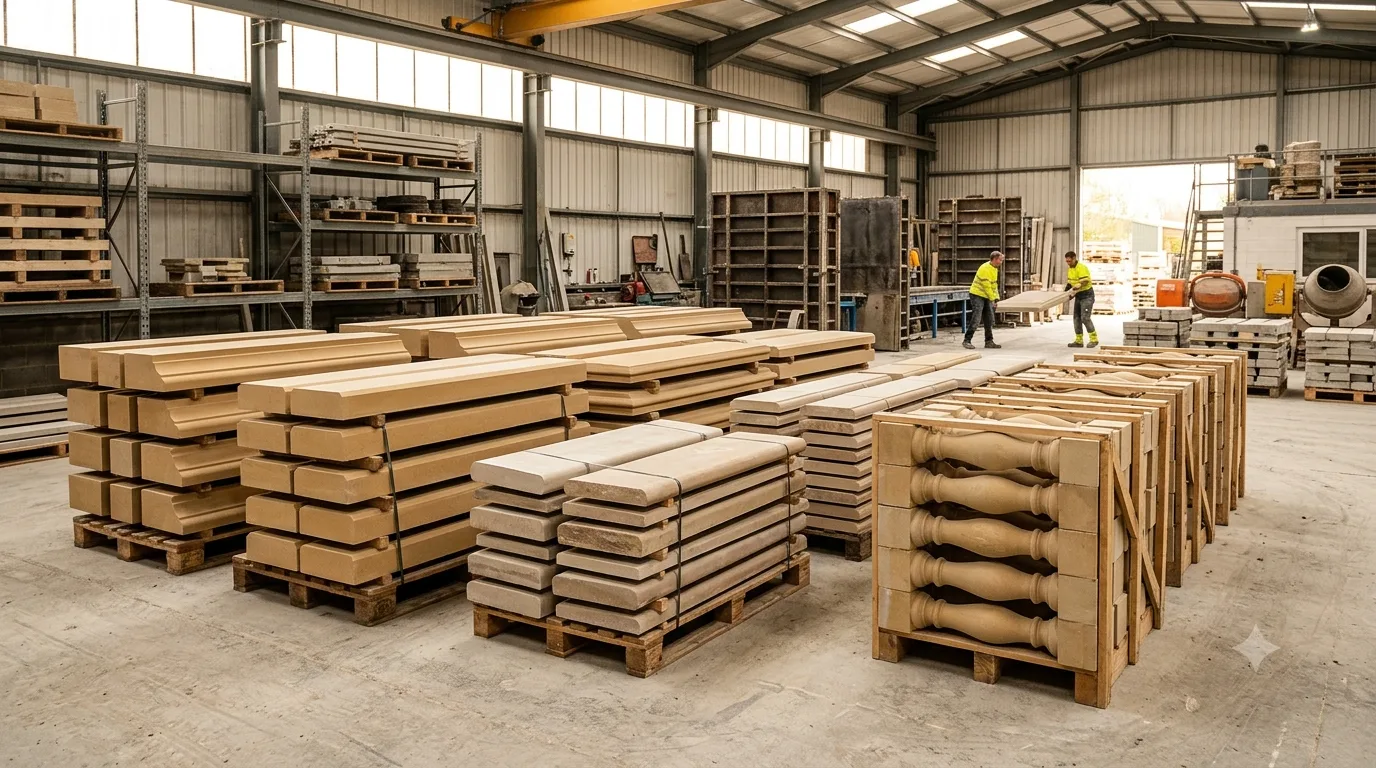
We also manufacture precast railings in flat and camel-back profiles, in straight runs, 90° corners, radius curves, and terminal ends — so a balustrade can follow stairs, wrap a terrace, or curve around a bay. Cast stone versions can be color-matched to limestone facades for a seamless classical look.
Where balustrades work best
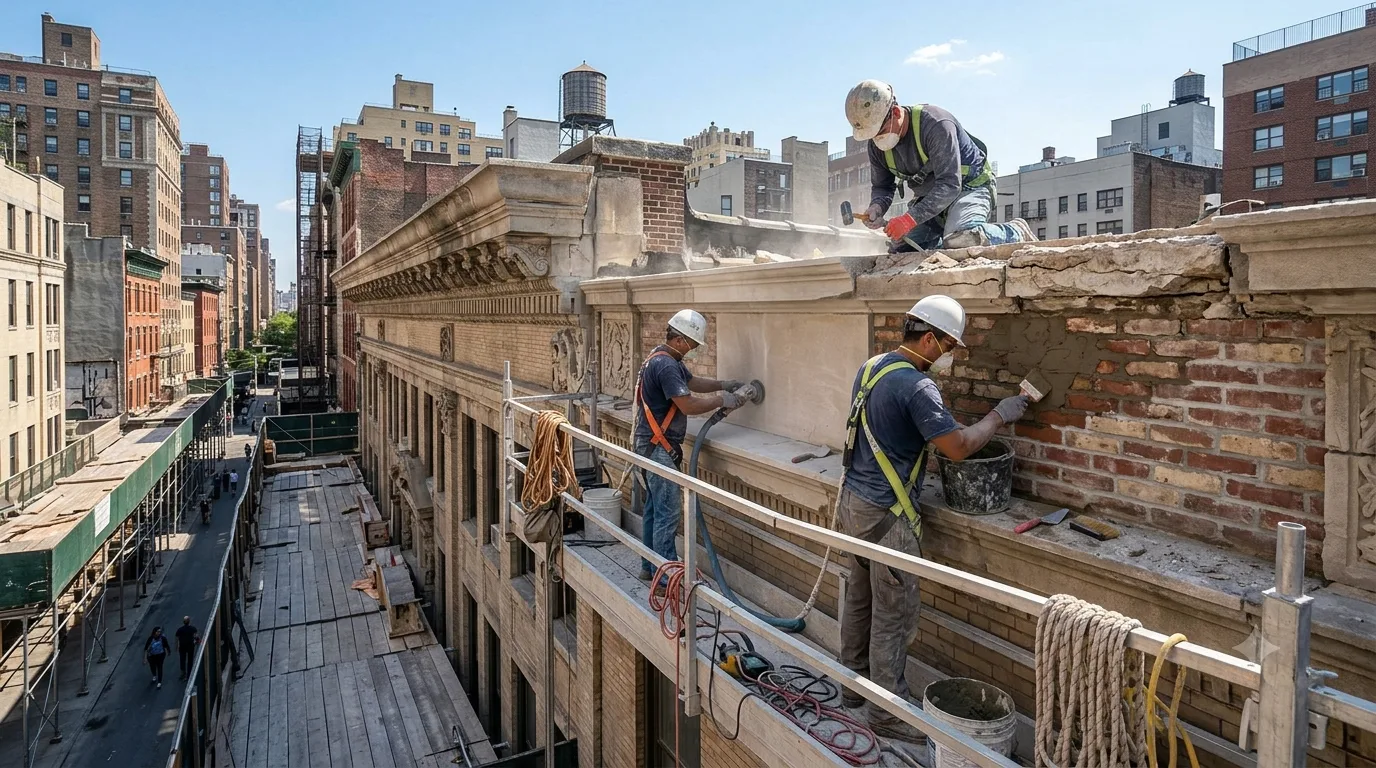
- Rooftops and parapets — decorative railing that doubles as an architectural crown.
- Terraces and balconies — elegant guarding for outdoor living spaces.
- Stoops and entry stairs — a hallmark of NYC brownstones and townhouses.
- Garden and landscape walls — defining edges and viewing terraces.
Durability that lasts
Because our balustrades are dense precast concrete and cast stone, they shrug off New York's freeze-thaw climate far better than softer materials — and we provide engineering calculations for load-bearing and guardrail applications where required.
Ready to specify a balustrade? Browse our baluster and railing products, read the FAQ, or request a quote for your project.