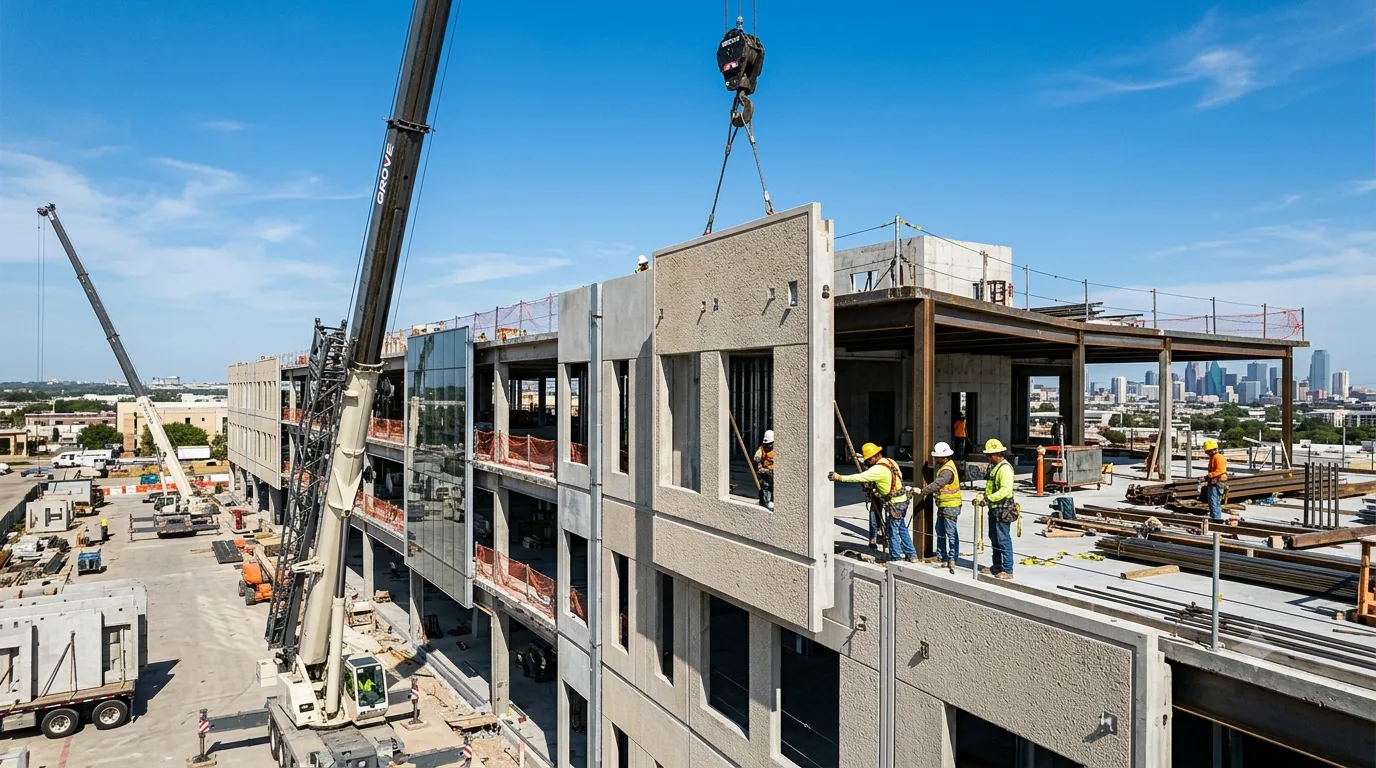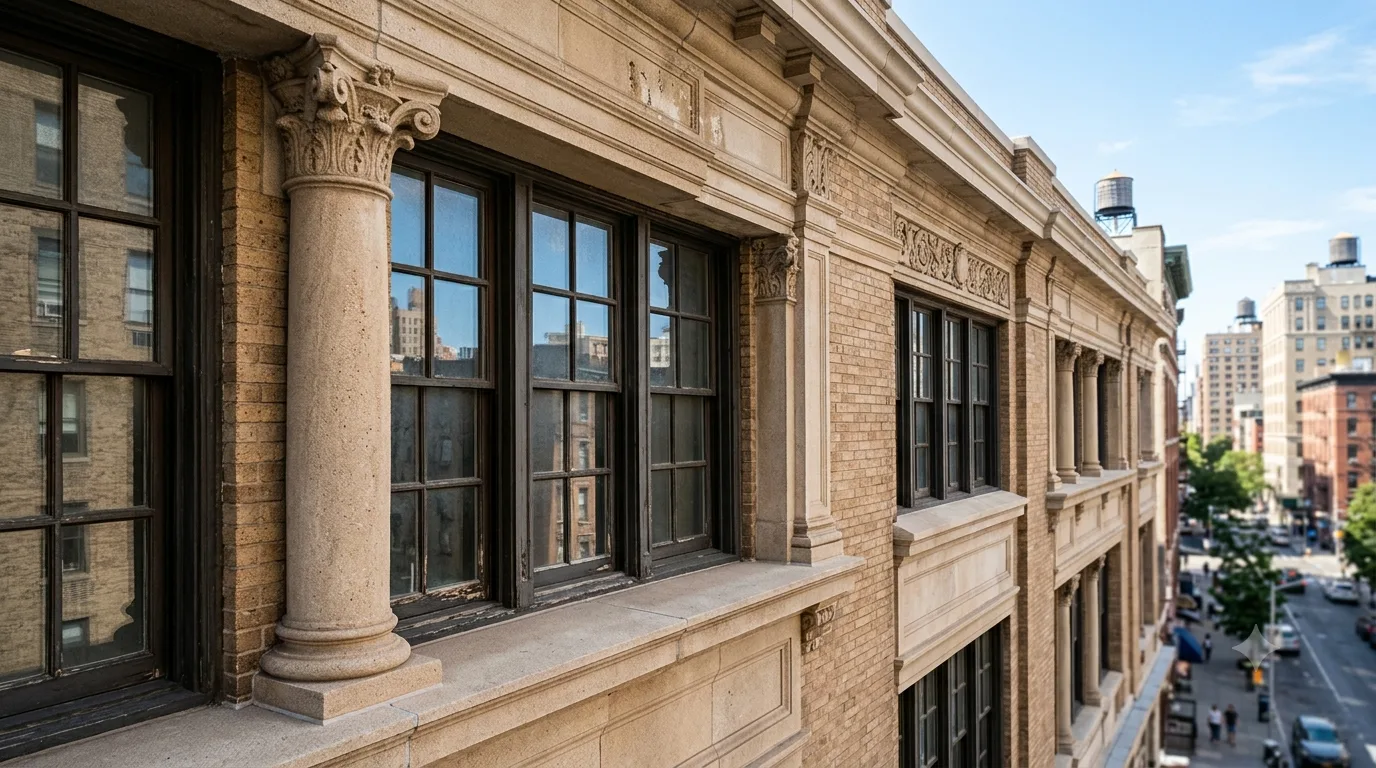
Coping is the cap that crowns the top of a wall or parapet, and its job is to shed water away from the masonry below. In New York City, where freeze-thaw cycles punish any gap in a building's defenses, coping is one of the most important — and most frequently neglected — facade elements.
Why coping matters so much
A parapet is exposed on all sides, and its top is the most vulnerable point for water entry. Properly designed coping with a slope and drip edge carries rainwater clear of the wall. When coping cracks, shifts, or loses its slope, water gets in — and in NYC's climate, that water freezes, expands, and tears the masonry apart.
How coping fails
- Open or failed joints between coping units
- Cracked or spalled stones from freeze-thaw
- Displaced or loose coping that no longer sheds water
- Inadequate overhang or missing drip edge
These conditions are among the most common findings in Local Law 11 (FISP) inspections, and they must be repaired to keep a facade safe and compliant.
Why precast and cast stone coping
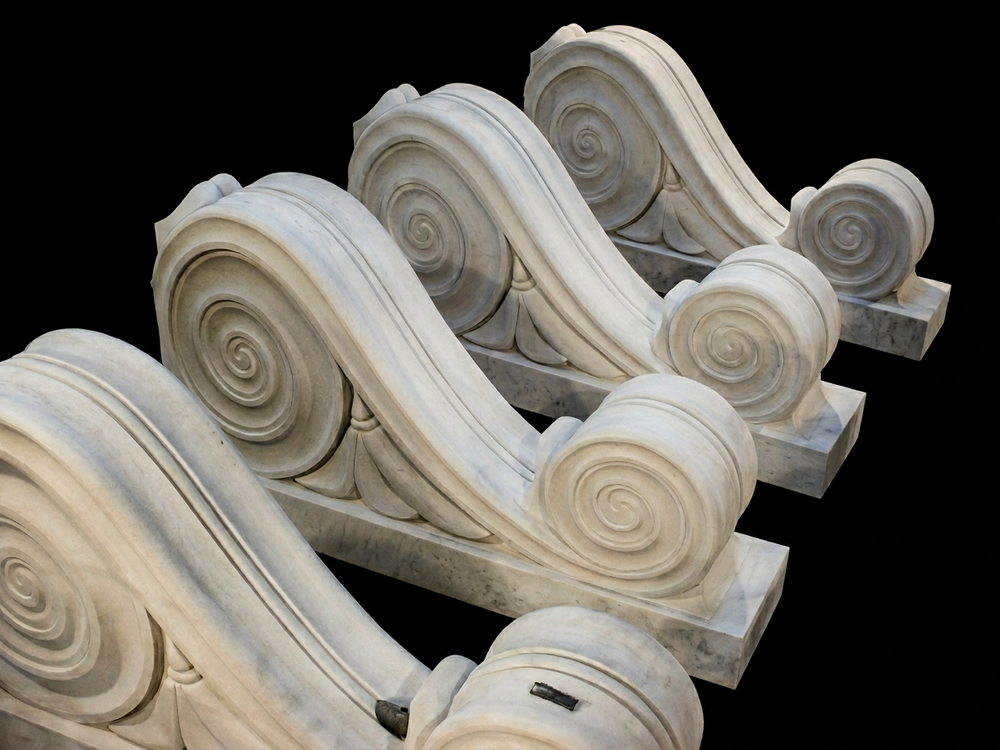
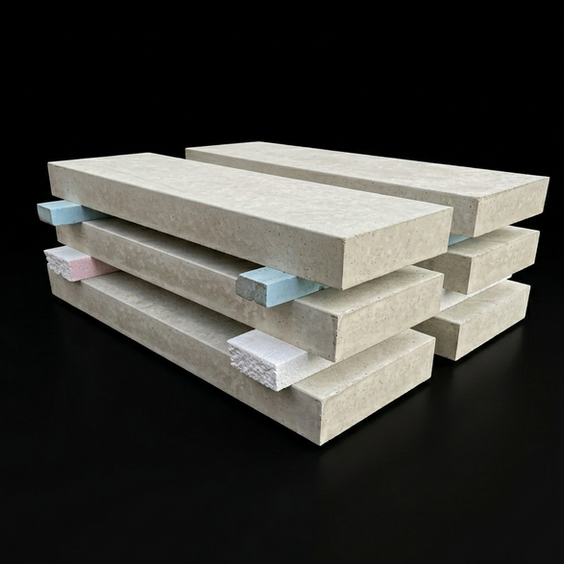
Dense precast concrete and cast stone coping resist water absorption and freeze-thaw cycling far better than porous alternatives. Cast stone coping also replicates natural limestone for facades and landmark restoration, while precast coping is a durable, cost-effective cap for garden and retaining walls.
Specifying coping
Because coping is cast from custom molds, we produce the exact width, slope, overhang, and drip detail your wall requires — including curved and radius coping. See our guide on how to choose coping stones, then request a coping quote.