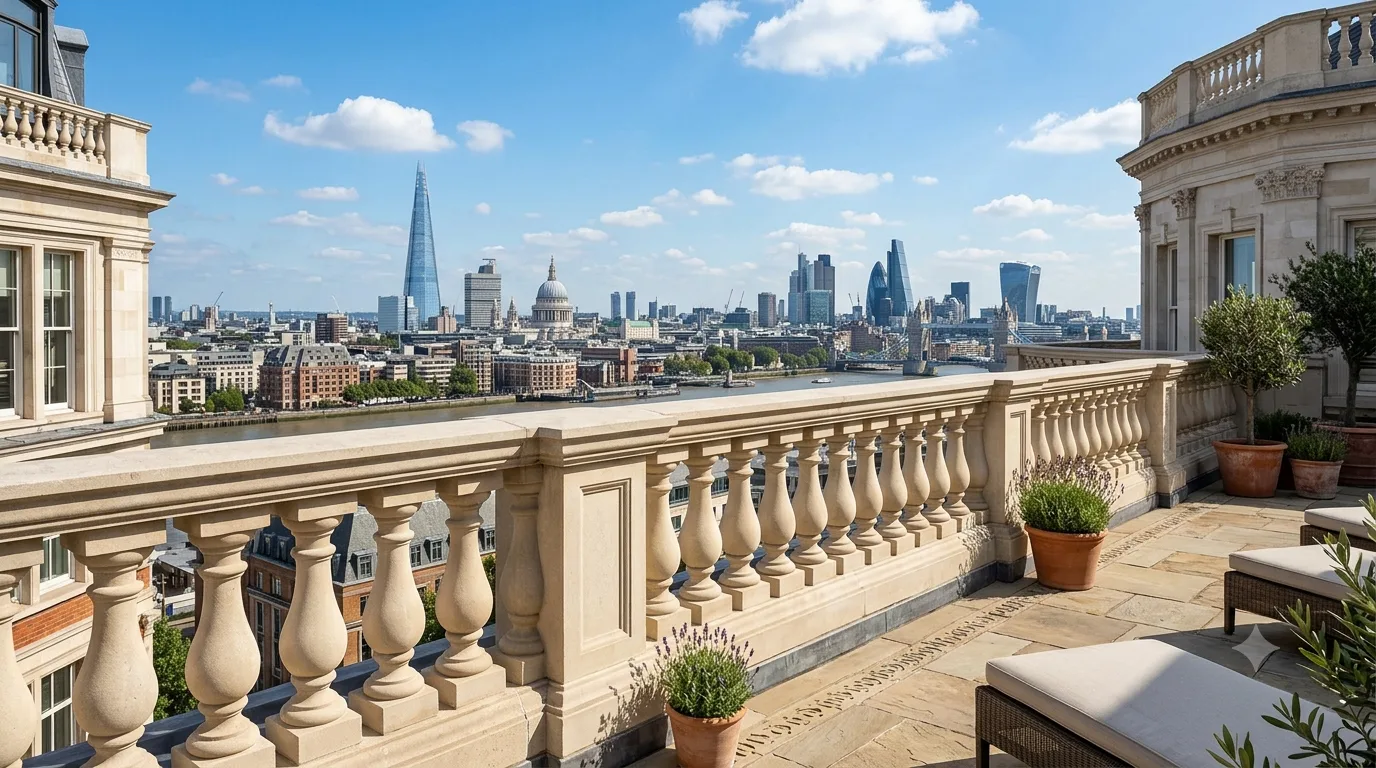
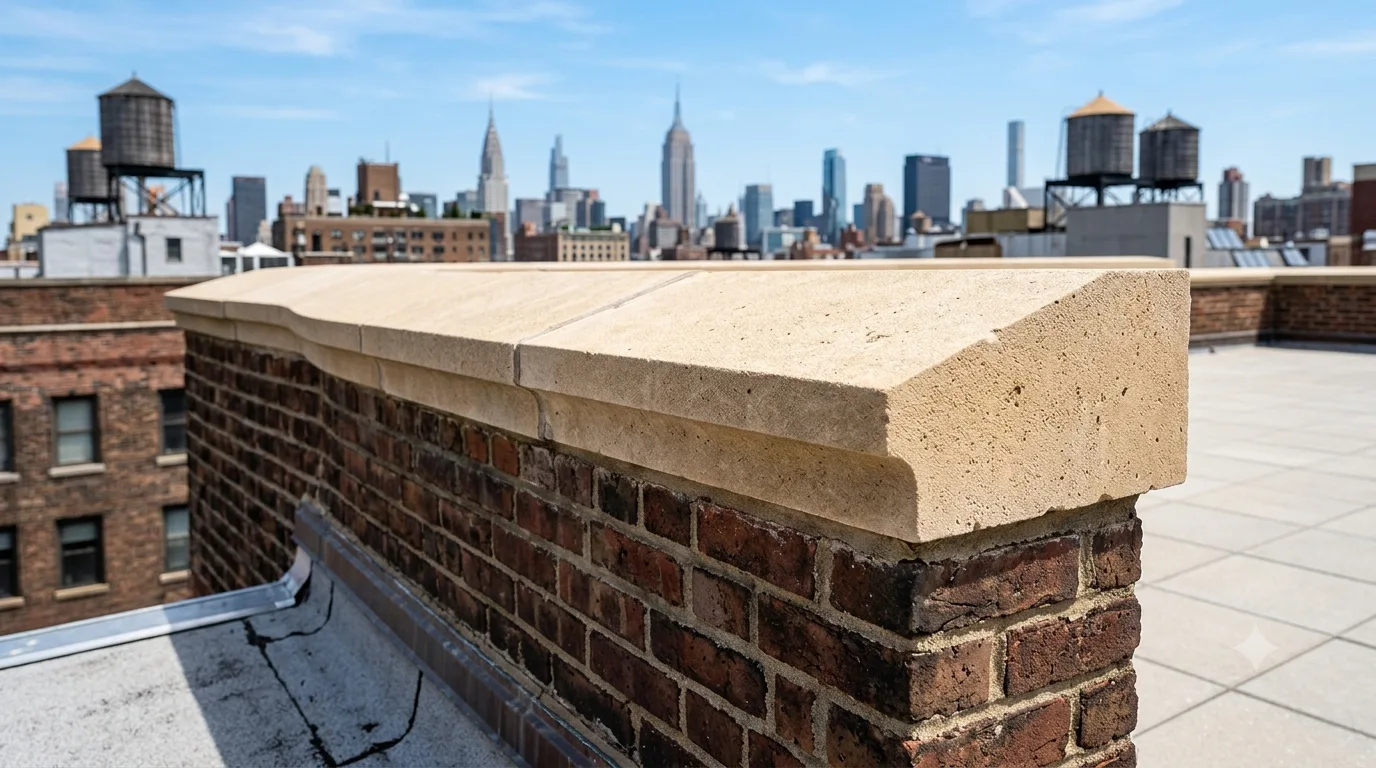
Color is what makes cast stone read as natural stone — and getting it right is what lets a new piece disappear into an existing facade. Unlike a surface coating, cast stone color is integral: it comes from the pigments, cement, and aggregates in the mix, so it runs through the entire piece. Here is how to get the match right.
How cast stone gets its color
Three ingredients drive color: the choice of white or grey cement, the mineral oxide pigments blended in, and the aggregates used. Together these are tuned to match the warm tones of limestone, the deeper hues of brownstone, or the character of sandstone.
Matching an existing building
For restoration and historic-district work, matching is critical. The best starting point is a physical sample of the original stone. From there, the manufacturer develops a mix and produces sample pieces for approval before full production. This is how a replacement coping or sill blends seamlessly with the surrounding masonry.
Keeping color consistent
- Integral pigments mean color runs through the piece, not just the surface
- Controlled factory batching keeps color uniform across a run
- Ordering all pieces for a facade together avoids batch-to-batch variation
A note on weathering
Like natural stone, cast stone develops a subtle patina over time. A good match accounts for how both the new and existing stone will age, so the facade reads as one.
Get a matched sample
Mohan's Precast color-matches to your facade and produces samples for approval. Request a quote and send us a sample or your drawings to begin.